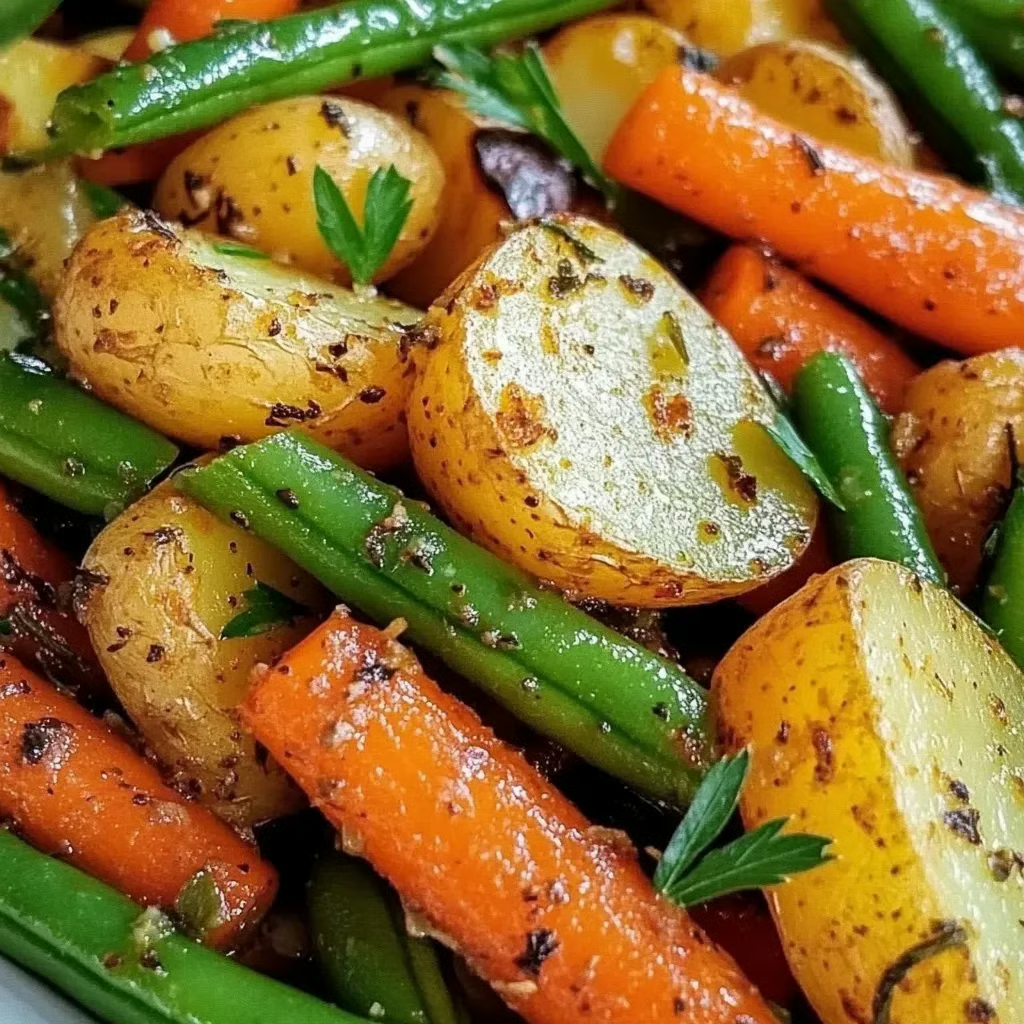
This recipe transforms simple produce into a vibrant, caramelized side dish that steals the show. By tossing a colorful medley of fresh vegetables in a robust garlic-herb oil and roasting them at high heat, you achieve crispy edges and tender, sweet centers. It is a versatile, nutrient-dense foundation for healthy eating that pairs effortlessly with almost any main course.
Why You’ll Love This Recipe
- Totally Customizable – You can mix and match whatever vegetables you have in your fridge or choose seasonal favorites, making it a zero-waste kitchen staple.
- Sheet Pan Simplicity – Everything cooks on one or two baking sheets, minimizing cleanup and making the cooking process hands-off once it hits the oven.
- Dietary Chameleon – Naturally vegan, gluten-free, dairy-free, and low-carb, this dish is safe for virtually any guest with dietary restrictions.
- Texture Perfection – The high-heat roasting technique guarantees vegetables that are caramelized and crisp-tender, never mushy or bland.
- Meal Prep Friendly – These veggies hold their texture well in the fridge, making them perfect for adding to lunch bowls or salads throughout the week.
- Nutrient Dense – It allows you to consume a high volume of vitamins and fiber in a delicious way, without heavy sauces or breading.
Ingredients You’ll Need
The Vegetable Base (Choose 3–4 for approx. 6–8 cups)
- Root Vegetables (Carrots, Sweet Potatoes) – Chopped into 1-inch cubes; these provide sweetness and density.
- Cruciferous Veggies (Broccoli, Cauliflower, Brussels Sprouts) – Florets or halved; these provide savory crunch and “nooks” that trap the seasoning.
- Softer Veggies (Zucchini, Bell Peppers) – Sliced thick; these add moisture and bright pops of color.
The Garlic-Herb Coating
- Olive Oil (3 tbsp) – Essential for conducting heat to crisp the vegetables and carrying the flavor of the spices.
- Fresh Garlic (4 cloves) – Minced; infuses the oil with a pungent, savory aroma that mellows and sweetens as it roasts.
- Fresh Herbs (Rosemary & Thyme) – 1 tablespoon each (fresh) or 1 teaspoon each (dried); these woody herbs stand up well to high heat without burning.
- Smoked Paprika (1 tsp, optional) – Adds a subtle smokiness and a beautiful reddish hue to the roasted vegetables.
- Seasoning (½ tsp Salt, ¼ tsp Black Pepper) – Draws out the natural moisture of the vegetables to aid in caramelization and enhances flavor.
Finishing Touches (Optional)
- Lemon Zest – Adds a bright, acidic lift to cut through the roasted flavors.
- Parmesan Cheese – For a savory, salty umami finish (omit for vegan).
- Red Pepper Flakes – For a gentle kick of heat.
Step-by-Step Instructions
- Prepare the Oven and Pan Preheat your oven to 425°F (220°C). Line a large rimmed baking sheet (or two, if making a full batch) with parchment paper for easy cleanup and to prevent sticking.
- Chop for Uniformity Wash and chop your chosen vegetables into uniform 1-inch pieces. Note: Consistency in size is crucial to ensuring that everything cooks at the same rate.
- Season the Mixture Place all the chopped vegetables in a large mixing bowl. Drizzle with olive oil and scatter the minced garlic, rosemary, thyme, smoked paprika, salt, and black pepper over the top.
- Toss to Coat Using your hands or a large spoon, toss the vegetables vigorously until every single piece is glistening with oil and evenly speckled with herbs and garlic.
- Arrange for Roasting Spread the vegetables out in a single layer on the baking sheet(s). Crucial: Do not pile them on top of each other; use a second sheet if necessary to ensure there is space between pieces for air to circulate.
- Roast and Caramelize Roast for 20–25 minutes. Halfway through the cooking time (about the 12-minute mark), remove the pan and toss/flip the vegetables with a spatula to ensure even browning.
- Garnish and Serve Remove from the oven when vegetables are tender and the edges are golden brown. While hot, garnish with lemon zest, red pepper flakes, or Parmesan if desired. Transfer to a platter and serve.
Recipe Notes & Tips
- The Crowd Control Rule – Never overcrowd the pan. If vegetables are touching or stacked, they will release steam that gets trapped, resulting in soggy, boiled-tasting veggies instead of crispy roasted ones.
- Timing Density – If mixing very hard vegetables (carrots/potatoes) with very soft ones (zucchini/peppers), consider roasting the hard ones for 10 minutes before adding the soft ones to the pan to avoid mushiness.
- Garlic Management – Minced garlic can burn at 425°F if it’s too small or on the pan surface. Try to stick the garlic to the vegetables, or use garlic powder if you prefer a zero-risk approach.
- Dry Your Veggies – After washing, ensure the vegetables are thoroughly dried with a towel before adding oil. Water on the surface prevents the oil from adhering and delays browning.
- High Heat is Mandatory – Do not lower the oven temperature. 425°F is the sweet spot for rapid caramelization; lower temperatures (like 350°F) will just dry the vegetables out.
Nutritional Information
- Prep Time: 15 minutes
- Cooking Time: 25 minutes
- Total Time: 40 minutes
- Servings: 6 servings
- Calories: Approximately 120–150 kcal per serving (depending on vegetable selection and oil used)
Perfect Pairings
- Roast Chicken – The classic Sunday dinner companion; the herbs in the veggies echo the seasoning of a whole bird.
- Grilled Salmon – The lightness of fish pairs perfectly with the hearty texture of root vegetables.
- Quinoa Bowls – Use these veggies as the main topping for a grain bowl with tahini dressing.
- Pasta Toss – Stir the roasted veggies into cooked penne with a little pesto for a quick vegetarian pasta primavera.
Ideal Occasions
- Holiday Side Dish – Colorful and festive enough for Thanksgiving or Christmas tables.
- Weekly Meal Prep – Roast a huge batch on Sunday to use in lunches for the next 3–4 days.
- Clean Eating Reset – Perfect for January diets or whenever you want to focus on whole foods.
- Empty the Fridge – The best way to use up random vegetable scraps before they go bad.
Storage & Serving Tips
- Refrigeration – Store in an airtight container in the refrigerator for up to 4 days.
- Reheating – To restore crispiness, reheat in an air fryer at 375°F for 3–4 minutes or in a toaster oven. Microwaving works but will make them softer.
- Freezing – Freezing is generally not recommended for roasted vegetables, as the cell structure breaks down and they become watery upon thawing.
- Room Temp – These vegetables actually taste great at room temperature, making them excellent for buffet lines or potlucks where keeping food hot is difficult.
Creative Variations to Try
- Balsamic Glaze – Drizzle 1 tablespoon of balsamic glaze or vinegar over the vegetables right after they come out of the oven for a sweet-tangy finish.
- Curried Twist – Swap the rosemary and thyme for 1 teaspoon of curry powder and ½ teaspoon of turmeric for an Indian-inspired flavor profile.
- Cheesy Gratin – In the last 5 minutes of roasting, sprinkle plenty of Parmesan or Pecorino Romano cheese on top to form a frico (crispy cheese) crust.
- Honey Roasted – If using mostly carrots and sweet potatoes, whisk a tablespoon of honey or maple syrup into the olive oil before tossing for caramelized sweetness.
Troubleshooting Common Issues
- Soggy Veggies – Solution: You overcrowded the pan. Next time, split the batch onto two baking sheets.
- Burnt Garlic – Solution: The garlic pieces were too small or exposed. Add the minced garlic halfway through the cooking time when you flip the veggies.
- Hard Centers – Solution: The pieces were cut too large. Ensure hard root vegetables are cut no larger than 1 inch.
- Uneven Cooking – Solution: You mixed vegetables with vastly different cook times without staggering them. Group similar veggies together on the sheet pan so you can remove the fast-cooking ones earlier.
Why This Recipe Works
This recipe relies on the Maillard reaction, a chemical reaction between amino acids and reducing sugars that gives browned food its distinctive flavor. This reaction typically occurs rapidly at temperatures above 300°F (150°C). By setting the oven to 425°F, you ensure the exterior of the vegetables browns and develops complex nutty flavors before the interior turns to mush. The oil acts as a heat conductor, ensuring uniform temperature distribution across the surface of the food, while the salt draws out surface moisture to speed up the crisping process.
Final Thoughts
Garlic Herb Roasted Veggies are the unsung hero of the dinner table. They prove that healthy food does not have to be boring or difficult. With just a few minutes of chopping and a hot oven, you can transform humble ingredients into a dish that is bursting with savory, aromatic flavor. Whether you are meal prepping for the week or looking for the perfect side to a steak dinner, this technique delivers consistent, delicious results every time.