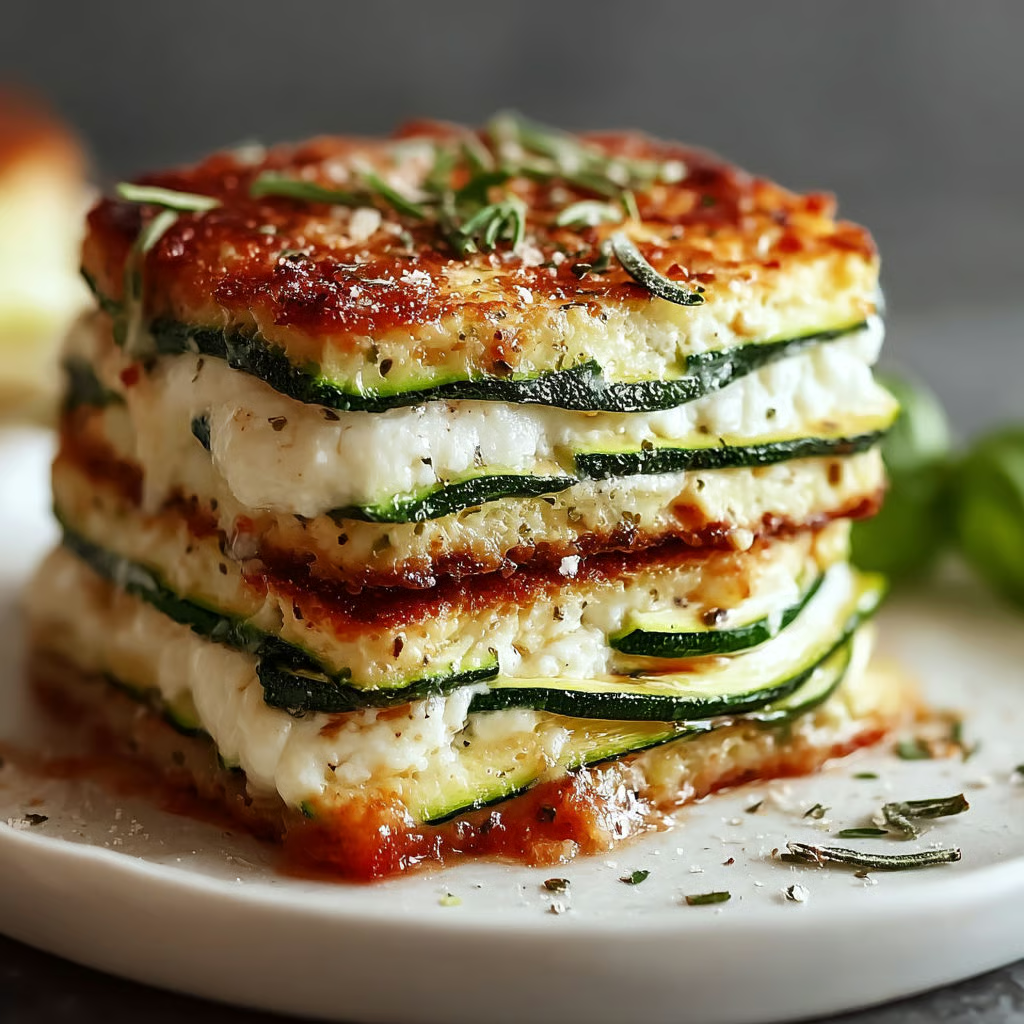
This elegant vegetarian casserole reimagines traditional lasagna by substituting pasta with tender roasted zucchini strips, creating a lighter yet equally satisfying dish that layers the squash with creamy herb-ricotta filling, tangy marinara sauce, and melted mozzarella cheese. The roasting step removes excess moisture from the zucchini while concentrating its flavor, preventing the dreaded soggy casserole while delivering all the comforting appeal of Italian baked dishes in a naturally gluten-free, low-carb format that doesn’t sacrifice richness or indulgence.
Why You’ll Love This Recipe
- Low-Carb Lasagna Alternative – Delivers all the satisfaction of traditional lasagna without the pasta, making this perfect for those following gluten-free, keto, or low-carb eating patterns.
- Vegetable-Forward Nutrition – Showcases zucchini as the star ingredient, providing vitamins, minerals, and fiber while the cheese layers ensure the dish still feels indulgent and satisfying.
- Naturally Gluten-Free – Contains no wheat or gluten-containing ingredients, making this safe for celiac disease or gluten sensitivity without requiring specialty substitutions.
- Impressive Presentation – Creates beautiful, defined layers visible when sliced, making this elegant enough for dinner parties while being straightforward enough for weeknight cooking.
- Make-Ahead Friendly – Can be assembled completely hours or even a day ahead and refrigerated, then baked when needed for stress-free entertaining or meal planning.
- Moderate Skill Building – Classified as medium difficulty, this recipe helps developing cooks practice layering techniques and moisture management while being forgiving enough to succeed on the first attempt.
Ingredients You’ll Need
For the Vegetables:
- 3 medium zucchinis, sliced lengthwise into ¼-inch strips – Choose firm, medium-sized zucchini (about 8 inches long); larger ones contain more seeds and moisture
- 1 tbsp olive oil – Coats the zucchini for roasting; adds subtle fruity flavor and helps achieve slight caramelization
- Salt to taste – Draws out moisture during roasting and seasons the zucchini; start with ½ teaspoon
- Black pepper to taste – Adds warmth and enhances the savory profile; about ¼ teaspoon works well
For the Ricotta Filling:
- 1 cup ricotta cheese (whole milk preferred) – Forms the creamy, rich base layer; whole milk ricotta provides best texture and flavor
- 1 large egg – Binds the ricotta mixture and helps it set during baking into firm, sliceable layers
- ¼ cup grated Parmesan cheese – Adds sharp, salty, nutty complexity to the mild ricotta
- 1 tsp garlic powder – Infuses the filling with aromatic garlic flavor without raw garlic’s harshness
- 1 tsp dried basil – Contributes herbaceous, slightly sweet Italian character
- ½ tsp red pepper flakes – Provides subtle heat; adjust or omit based on spice preference
For Assembly:
- 1½ cups marinara sauce – Provides tangy tomato flavor and moisture; use quality jarred sauce or homemade
- 1½ cups shredded mozzarella cheese – Creates the melty, stretchy, golden topping; whole milk mozzarella melts best
For Garnish:
- Fresh basil leaves – Adds bright green color and aromatic, fresh herbaceous notes to finished dish
Step-by-Step Instructions
Preheat and Prepare for Roasting Preheat your oven to 400°F (200°C) and position a rack in the upper third of the oven. Line a large baking sheet with parchment paper to prevent sticking and make cleanup easier.
Slice and Season the Zucchini Trim the ends from the zucchinis, then slice each one lengthwise into ¼-inch thick strips—you should get 4-5 long strips from each zucchini depending on size. A sharp knife or mandoline makes this easier and ensures uniform thickness for even cooking. Arrange the zucchini strips in a single layer on the prepared baking sheet, working in batches if necessary. Drizzle with olive oil and sprinkle with salt and black pepper, then use your hands or a pastry brush to ensure each strip is evenly coated.
Roast the Zucchini Place the baking sheet on the upper oven rack and roast for 10-12 minutes, checking at the 10-minute mark. The zucchini is done when it’s just tender and has released some moisture but still holds its shape—it should be pliable enough to layer but not so soft that it falls apart. You want slight browning at the edges but not complete caramelization. Remove from the oven and let the strips cool slightly on the pan while you prepare the other components. Reduce oven temperature to 375°F (190°C) for baking the assembled dish.
Prepare the Ricotta Filling In a medium mixing bowl, combine the ricotta cheese, egg, grated Parmesan cheese, garlic powder, dried basil, and red pepper flakes. Using a spoon or whisk, stir vigorously for 1-2 minutes until the mixture is completely smooth and homogeneous with no streaks of egg visible—the egg must be fully incorporated to ensure even setting during baking.
Begin Layering Spread approximately ⅓ cup of marinara sauce in a thin layer across the bottom of an 8×8-inch baking dish (or similar 2-quart dish), just enough to prevent sticking. Arrange 2-3 strips of roasted zucchini over the sauce, overlapping slightly to cover most of the bottom—you’ll likely use 6-7 strips for this first layer. Dollop about one-third of the ricotta mixture (approximately ⅓ cup) over the zucchini and spread gently with the back of a spoon to create a relatively even layer. Spoon about ½ cup marinara sauce over the ricotta and spread gently. Sprinkle about ½ cup of the shredded mozzarella evenly over the sauce.
Continue Layering Repeat the layering process two more times: zucchini strips, ricotta mixture, marinara sauce, and mozzarella cheese. You should have three complete layers total. For the final top layer, arrange the last zucchini strips, then spread the remaining marinara sauce evenly to the edges, and finish with the remaining mozzarella cheese distributed uniformly across the top—this final cheese layer will brown beautifully during baking.
Initial Covered Bake Cover the baking dish loosely with aluminum foil, tenting it slightly so the foil doesn’t touch the cheese (which would stick). Place on the center oven rack at 375°F and bake for 20 minutes—this covered phase allows the casserole to heat through completely, the ricotta to set, and the cheese to begin melting without the top browning too quickly.
Finish Uncovered Carefully remove the foil and return the uncovered dish to the oven. Bake for an additional 10 minutes, or until the mozzarella on top is fully melted, bubbling vigorously around the edges, and developing golden-brown spots that indicate proper caramelization and appetizing appearance.
Rest Before Serving Remove the baking dish from the oven and let it rest at room temperature for 5-10 minutes—this crucial step allows the ricotta filling to firm up from its melted state during baking, the layers to set, and makes cutting and serving significantly easier. The casserole will hold its shape when sliced rather than running all over the plate.
Garnish and Serve Just before serving, tear or chiffonade fresh basil leaves and scatter them decoratively over the top for color and aromatic freshness. Cut the casserole into four equal portions using a sharp knife or offset spatula, and serve warm, using a wide spatula to lift each portion and maintain the beautiful layers.
Recipe Notes & Tips
- Zucchini Moisture Management – Roasting at high heat is crucial for removing excess water; skipping this step results in watery casserole that won’t hold together properly.
- Uniform Slicing – Try to keep zucchini strips as uniform as possible in thickness; inconsistent slices cook unevenly, with thin parts becoming mushy and thick parts remaining undercooked.
- Ricotta Quality – Use whole milk ricotta rather than part-skim for richest flavor and creamiest texture; part-skim tends to be grainy and less satisfying.
- Egg Incorporation – The egg must be completely blended into the ricotta with no streaks; poorly mixed egg creates pockets that cook differently than the rest of the filling.
- Pan Size Flexibility – An 8×8-inch pan creates thick layers; a 9×9-inch creates slightly thinner layers; both work but may require minor baking time adjustments.
- Make-Ahead Timeline – Assemble completely up to 24 hours ahead, cover tightly, and refrigerate; add 10 minutes to covered baking time when cooking from cold.
Nutritional Information
Prep Time: 20 minutes
Cook Time: 40 minutes
Total Time: 60 minutes
Servings: 4 servings
Calories: Approximately 275 calories per serving (based on whole milk dairy products and standard ingredients)

Perfect Pairings
- Garlic Bread – Serve with toasted garlic bread or focaccia to soak up extra marinara sauce, though this adds carbs if you’re avoiding them.
- Caesar Salad – Balance the richness with crisp romaine dressed with Caesar vinaigrette and shaved Parmesan for refreshing contrast.
- Roasted Vegetables – Pair with roasted Brussels sprouts, asparagus, or green beans dressed with lemon and olive oil for additional vegetables.
- Italian Red Wine – Complement with Chianti or Sangiovese that matches the acidity of the marinara and stands up to the rich cheese.
Ideal Occasions
- Healthy Weeknight Dinners – Perfect for those seeking nutritious, vegetable-forward meals that still feel indulgent and satisfying enough for the whole family.
- Low-Carb Entertaining – Ideal for hosting guests following keto or low-carb diets who want elegant, special-occasion food without the carbohydrates.
- Meatless Mondays – Excellent vegetarian main course that provides enough protein from the cheeses to satisfy even devoted meat-eaters.
- Meal Prep Sunday – Makes excellent leftovers that reheat beautifully, providing healthy lunches or quick dinners throughout the week.
Storage & Serving Tips
- Refrigerator Storage – Cool completely, cover tightly with plastic wrap or foil, and refrigerate for up to 4 days; the layers become more defined as it sits.
- Reheating Instructions – Warm individual portions in the microwave for 2-3 minutes, or reheat the entire pan covered with foil at 350°F for 20-25 minutes.
- Freezing Possibility – Freeze the fully baked, cooled casserole wrapped tightly for up to 2 months; thaw overnight in refrigerator and reheat as directed.
- Serving Portions – Each quarter of the 8×8 pan provides a generous main-course serving; for lighter portions or side dish servings, cut into 6 pieces instead.
Creative Variations to Try
- Spinach Addition – Layer fresh or frozen (thawed and squeezed dry) spinach between the zucchini and ricotta for extra vegetables and nutrients.
- Meat Version – Add cooked Italian sausage or ground beef to the marinara sauce for carnivores who want heartier, more substantial filling.
- Eggplant Combination – Alternate layers of zucchini with roasted eggplant slices for more complex vegetable flavor and additional Mediterranean character.
- Pesto Twist – Replace half the marinara with pesto sauce and add sun-dried tomatoes to the ricotta for different Italian flavor profile.
Troubleshooting Common Issues
- Watery Casserole – Zucchini wasn’t roasted long enough to remove moisture or wasn’t salted; always roast until tender and slightly dried at edges.
- Ricotta Won’t Set – Egg wasn’t incorporated properly or oven temperature too low; ensure egg is fully mixed and verify oven temp with thermometer.
- Layers Fall Apart – Didn’t rest long enough after baking or tried to serve while too hot; always allow full 5-10 minute rest for layers to firm up.
- Burnt Top – Oven too hot during uncovered phase or positioned too close to heating element; reduce to 350°F if browning too quickly and tent with foil.
Why This Recipe Works
This vegetable-forward casserole succeeds by addressing the primary challenge of cooking with zucchini—its high water content—through strategic roasting that removes excess moisture before assembly. Slicing the zucchini lengthwise rather than into rounds creates wide strips that layer similarly to lasagna noodles while providing structural integrity that rounds wouldn’t offer. Roasting at high heat (400°F) for a brief period concentrates the zucchini’s flavor through slight caramelization while evaporating surface moisture that would otherwise make the finished dish watery and prevent proper layering. The ricotta mixture functions similarly to traditional lasagna filling but the addition of egg ensures it sets firmly during baking rather than remaining loose and runny—as the egg proteins coagulate in the oven’s heat, they bind the ricotta into cohesive layers that slice cleanly. The Parmesan in the filling adds sharp, salty notes that prevent the ricotta from tasting bland or one-dimensional. The two-stage baking process is essential: covering for the first 20 minutes traps steam that heats everything through evenly and helps the ricotta set without the top cheese burning, while the uncovered final 10 minutes allows surface moisture to evaporate and the top cheese to brown appealingly. The brief resting period after baking lets the ricotta cool from its melted state and firm up significantly, transforming from a loose, hot mixture into sliceable layers that maintain their structure when portioned. At only 275 calories per generous serving with 17 grams of protein and just 13 grams of carbohydrates, this delivers impressive nutrition that satisfies hunger while fitting comfortably into various dietary approaches from low-carb to Mediterranean to simple healthy eating.
Final Thoughts
Layered Zucchini Ricotta Melts demonstrates that vegetables can take center stage in elegant, satisfying main dishes without requiring meat or heavy starches to feel complete. The medium skill level reflects the need for proper layering technique and moisture management, but the straightforward steps and forgiving nature make this entirely achievable for home cooks willing to invest the modest hour from start to finish. This recipe proves that healthy eating doesn’t mean deprivation or boring food—by treating vegetables with the same care and attention typically reserved for proteins or starches, you create dishes that happen to be nutritious while being primarily delicious and crave-worthy. Whether you’re following a gluten-free or low-carb lifestyle and seeking satisfying alternatives to pasta-heavy dishes, looking for elegant vegetarian mains to serve guests, trying to incorporate more vegetables into your family’s diet, or simply craving the comfort of Italian baked dishes without the heaviness, this versatile casserole adapts easily to your needs while consistently delivering that perfect forkful where tender zucchini, creamy herb-ricotta, tangy marinara, and melted mozzarella come together in light, satisfying, absolutely delicious harmony.