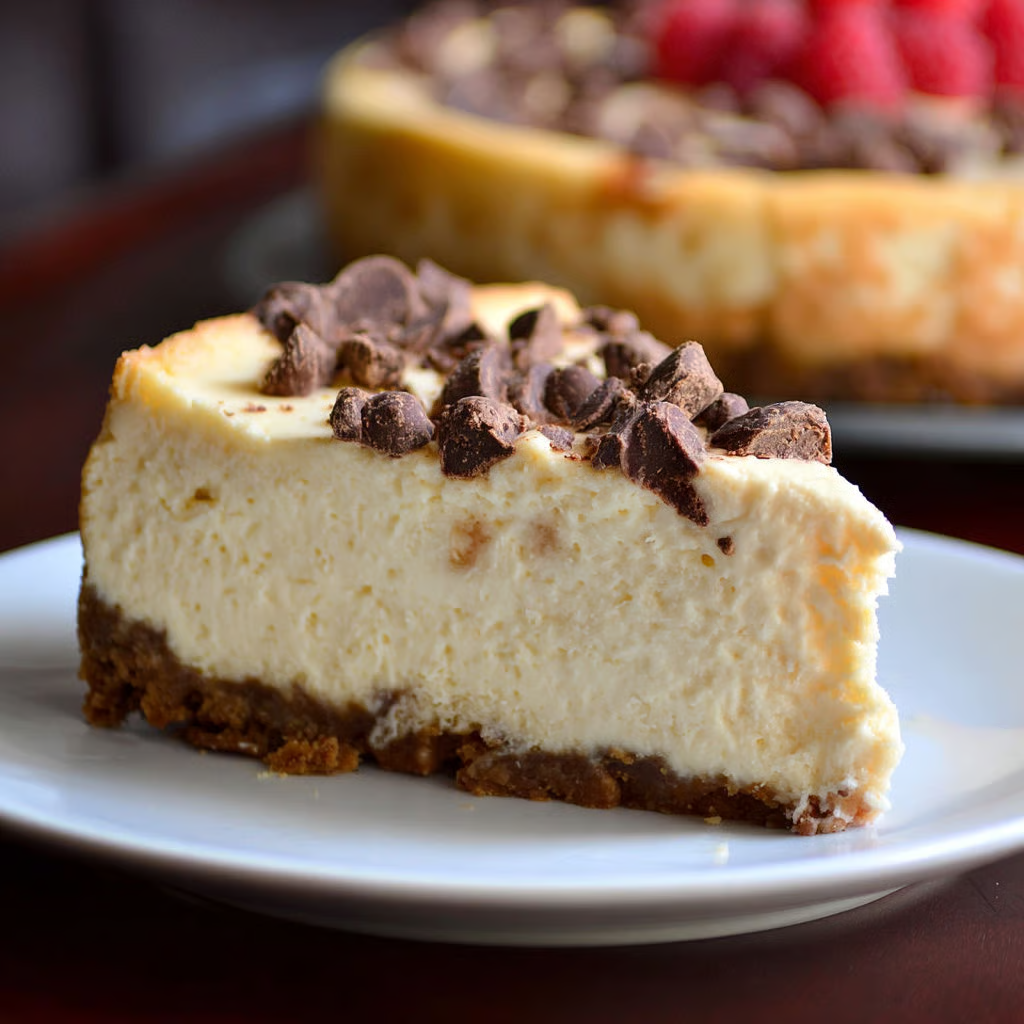
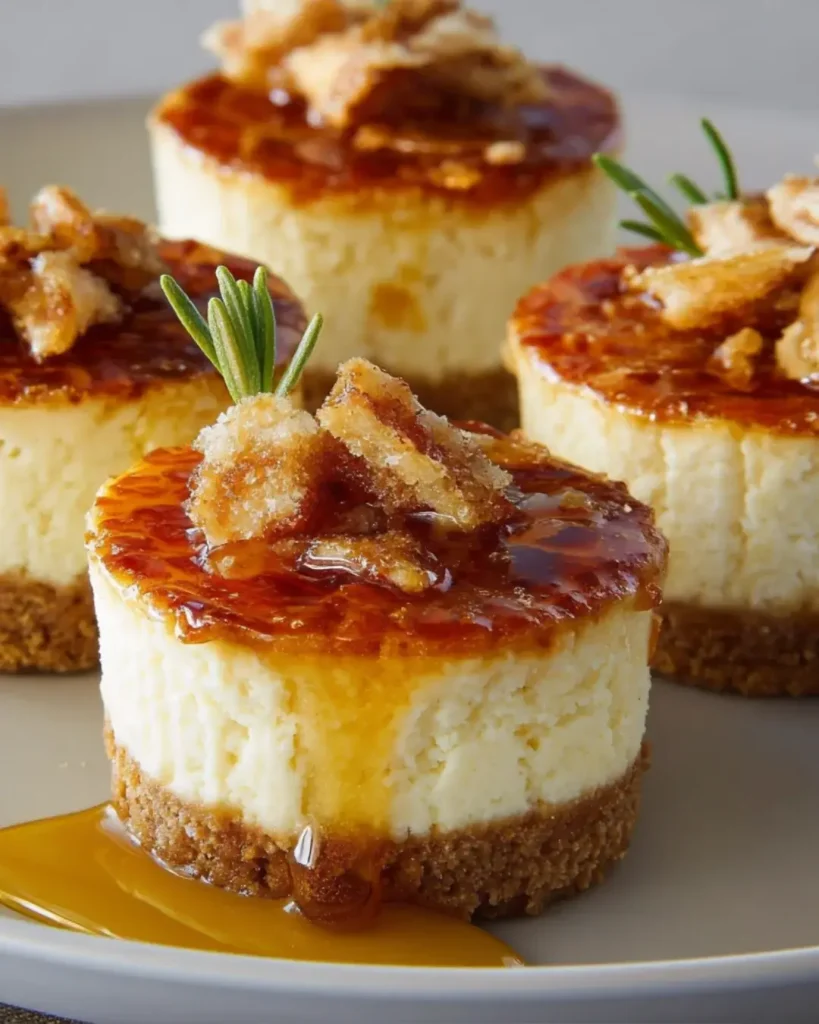
These mini goat cheese cheesecakes offer a sophisticated twist on traditional dessert by blending tangy goat cheese with classic cream cheese to create individual-sized treats that balance richness with bright, complex flavors. The buttery graham cracker crust provides familiar comfort while the goat cheese adds unexpected depth and subtle earthiness that elevates these miniature cheesecakes beyond ordinary sweets into something memorable and conversation-worthy. With their individual portions and elegant presentation, these cheesecakes deliver restaurant-quality dessert that’s surprisingly approachable for home bakers, requiring no water bath or complicated techniques while still achieving that signature creamy texture and perfect set.
Why You’ll Love This Recipe
Individual Portion Perfection – The muffin tin format creates built-in portion control while making serving effortless since each guest gets their own complete dessert without the need for slicing or plating.
Sophisticated Flavor Profile – The tangy goat cheese adds complexity and brightness that prevents these cheesecakes from feeling heavy or one-dimensionally sweet like standard versions often do.
No Water Bath Required – Unlike full-sized cheesecakes that often demand fussy water bath techniques to prevent cracking, these miniatures bake beautifully with simple direct heat.
Make-Ahead Convenience – The mandatory refrigeration period means you must prepare these in advance, which actually makes entertaining easier by eliminating last-minute dessert stress.
Versatile Serving Options – These cheesecakes work equally well as elegant dinner party finales or casual afternoon treats, and welcome both sweet and savory toppings depending on the occasion.
Beginner-Friendly Success – The straightforward mixing method and forgiving small size make these cheesecakes virtually foolproof, allowing even inexperienced bakers to achieve impressive results.
Ingredients You’ll Need
For the Cheesecake Filling
8 oz goat cheese, softened – Provides the signature tangy flavor and creamy texture that distinguishes these cheesecakes from ordinary versions, with softening to room temperature being essential for smooth mixing.
8 oz cream cheese, softened – Balances the goat cheese’s intensity with familiar richness and helps create the classic cheesecake texture everyone expects, while also contributing to structural stability.
½ cup granulated sugar – Sweetens the tangy cheese mixture and helps create the proper texture by interfering with protein bonding, resulting in a more tender, less dense final product.
¼ cup sour cream – Adds moisture and subtle tanginess that complements the goat cheese while contributing to the ultra-creamy, smooth texture that defines quality cheesecake.
2 large eggs – Binds the ingredients together and provides structure that allows the cheesecakes to set properly during baking without becoming rubbery or dry.
1 teaspoon vanilla extract – Enhances the sweet elements and adds aromatic complexity that rounds out the flavor profile without overpowering the distinctive goat cheese character.
½ teaspoon lemon juice – Brightens the overall flavor with subtle acidity that highlights the goat cheese’s tanginess while preventing the dessert from tasting flat or one-dimensional.
¼ teaspoon salt – Balances the sweetness and enhances all the other flavors by providing contrast that makes the complex taste profile more distinct and interesting.
For the Graham Cracker Crust
1 cup graham cracker crumbs – Creates the classic cheesecake foundation with its honey-tinged sweetness and sandy texture that provides pleasant contrast to the smooth filling.
¼ cup unsalted butter, melted – Binds the crumbs together and adds rich, dairy flavor while creating the proper texture that’s crisp but not dry or crumbly.
2 tablespoons brown sugar – Contributes molasses-tinged sweetness and helps the crust develop deeper color and slightly more complex flavor than granulated sugar alone would provide.
Step-by-Step Instructions
Preheat Oven and Prepare Pan Set your oven to 325°F and let it preheat thoroughly for at least 15 minutes to ensure even temperature throughout. Line a standard 12-cup muffin tin with paper liners or spray the cups generously with cooking spray, making sure to coat the bottom and sides completely to prevent sticking.
Make the Graham Cracker Crust In a medium bowl, combine the graham cracker crumbs, melted butter, and brown sugar, stirring with a fork until all the crumbs are evenly moistened and the mixture resembles wet sand. The mixture should hold together when squeezed in your palm but still crumble apart easily when pressed.
Form and Pre-Bake Crusts Spoon about 1 tablespoon of the crumb mixture into the bottom of each prepared muffin cup, using your fingers or the bottom of a small glass to press it down firmly into an even, compact layer. Bake the crusts for 5 minutes to set them slightly, then remove from the oven and let them cool while you prepare the filling.
Beat the Cheese Base In a large mixing bowl using an electric mixer on medium speed, beat together the softened goat cheese and cream cheese for 2-3 minutes until the mixture is completely smooth, creamy, and free of lumps. Stop occasionally to scrape down the sides of the bowl to ensure even mixing throughout.
Add Remaining Filling Ingredients Add the granulated sugar, sour cream, eggs, vanilla extract, lemon juice, and salt to the cheese mixture. Beat on medium-low speed just until all ingredients are well combined and the mixture is smooth and uniform, taking care not to overmix which would incorporate excess air that can cause cracking.
Fill the Muffin Cups Pour or spoon the cheesecake mixture over the cooled crusts in the muffin tin, filling each cup about three-quarters full to leave room for slight expansion during baking. Use a small offset spatula or the back of a spoon to smooth the tops if needed, though they’ll level themselves somewhat during baking.
Bake Until Set Place the muffin tin in the preheated oven and bake for 20-25 minutes, checking at the 20-minute mark for doneness. The cheesecakes are ready when the edges appear set and slightly puffed while the centers still jiggle slightly when you gently shake the pan, similar to the movement of set gelatin.
Cool in Oven Turn off the oven but leave the cheesecakes inside with the door closed for an additional 10 minutes. This gradual cooling process helps prevent sudden temperature changes that can cause cracking or sinking in the centers.
Cool to Room Temperature Remove the muffin tin from the oven and place it on a wire cooling rack, letting the cheesecakes cool completely to room temperature for about 1 hour. During this time, the centers will continue to set and firm up as the residual heat dissipates.
Refrigerate Before Serving Once the cheesecakes have reached room temperature, cover the muffin tin loosely with plastic wrap or aluminum foil and refrigerate for at least 2 hours or overnight. This chilling period is essential for the cheesecakes to achieve their proper texture and allows the flavors to meld and develop fully.
Recipe Notes & Tips
Room Temperature is Critical – Both cheeses must be genuinely soft at room temperature to blend smoothly without lumps; set them out 1-2 hours before baking or microwave very briefly in 10-second intervals if you forgot.
Goat Cheese Varieties – Use fresh, soft goat cheese (chèvre) from the refrigerated section rather than aged, crumbly varieties that won’t cream properly or provide the right texture.
Avoid Overmixing – Once you add the eggs, mix just until combined to prevent incorporating excess air that can cause the cheesecakes to puff dramatically then collapse and crack.
Visual Doneness Cues – The perfect cheesecake wobbles like firm jello in the center when gently shaken but doesn’t slosh like liquid; the edges should look dry and slightly puffed.
Paper Liner Removal – For easiest serving, remove the cheesecakes from the muffin tin after chilling and peel away the paper liners just before serving to expose the attractive crust edges.
Crust Alternatives – Substitute crushed gingersnaps, vanilla wafers, or even finely chopped nuts mixed with butter for different flavor profiles that complement the tangy goat cheese.
Nutritional Information
Prep Time: 20 minutes
Cook Time: 30 minutes (plus 10 minutes resting in oven)
Chilling Time: 2 hours minimum
Total Time: 2 hours 50 minutes
Servings: 12 individual cheesecakes
Calories: Approximately 180 calories per cheesecake

Perfect Pairings
Fresh Berry Compote – A warm or chilled mixture of berries cooked with sugar provides bright, fruity contrast that cuts through the rich, tangy cheese while adding beautiful color.
Honey Drizzle – Simple, high-quality honey drizzled over the top enhances the sweetness while complementing the goat cheese’s natural flavor profile beautifully.
Balsamic Reduction – A thick, syrupy balsamic glaze adds sophisticated sweet-tart complexity that bridges the gap between dessert and cheese course.
Toasted Nuts – Candied pecans, honey-roasted almonds, or simple toasted walnuts sprinkled on top add textural contrast and nutty richness that complements the creamy filling.
Ideal Occasions
Dinner Party Finales – These elegant individual desserts impress guests with their sophisticated flavors while making serving effortless since everyone gets their own perfect portion.
Holiday Gatherings – The make-ahead nature and easy serving make these ideal for busy holiday meals when oven space and time are at a premium.
Afternoon Tea or Brunch – The smaller size and tangy profile make these appropriate for mid-day entertaining when you want something special but not overwhelmingly heavy.
Potluck Contributions – Individual portions travel beautifully and eliminate the need for plates and forks, making these perfect for events where serving logistics matter.
Storage & Serving Tips
Refrigerator Storage – Store the cheesecakes covered in the muffin tin or transferred to an airtight container for up to 5 days, with flavors often improving after a day as they meld together.
Freezing Method – These cheesecakes freeze beautifully for up to 2 months; wrap individually in plastic wrap then place in a freezer bag, thawing overnight in the refrigerator before serving.
Topping Timing – Add any fresh fruit, compotes, or sauces just before serving rather than in advance to prevent the toppings from making the cheesecake surface soggy.
Serving Temperature – Remove the cheesecakes from the refrigerator 10-15 minutes before serving to take the chill off slightly, which allows the flavors to come through more clearly without compromising texture.
Creative Variations to Try
Savory Herb Version – Reduce the sugar to 2 tablespoons and add 1 tablespoon of fresh chopped herbs like rosemary, thyme, or chives for sophisticated savory cheesecakes perfect with wine.
Lemon-Blueberry Topping – Make a simple compote by cooking fresh or frozen blueberries with sugar and lemon zest, then spoon over the chilled cheesecakes before serving.
Chocolate-Drizzled – Melt dark chocolate and drizzle artistic patterns over the tops for added richness and visual appeal that contrasts beautifully with the white filling.
Fig and Honey – Top each cheesecake with a slice of fresh fig and a drizzle of honey for an elegant combination that’s both beautiful and delicious.
Troubleshooting Common Issues
Cracked Tops – Cracks typically result from overbaking, overmixing, or temperature shock; ensure you bake just until set, mix gently after adding eggs, and cool gradually in the turned-off oven.
Sunken Centers – Collapse happens when cheesecakes are underbaked or cooled too quickly; make sure the edges are set even if centers jiggle, and always use the gradual oven cooling method.
Lumpy Texture – Lumps come from insufficiently softened cheese or inadequate mixing; ensure both cheeses are truly room temperature and beat them thoroughly before adding other ingredients.
Soggy Crusts – If crusts don’t stay crisp, you may not have pressed them firmly enough or baked them sufficiently; press very firmly and consider extending the pre-bake to 7-8 minutes.
Why This Recipe Works
The success of these mini goat cheese cheesecakes lies in the strategic balance of ingredients and the physics of small-scale baking that makes them more forgiving than full-sized versions. The combination of goat cheese and cream cheese provides the best of both worlds—tangy complexity from the goat cheese and familiar richness from the cream cheese, creating a filling that’s interesting without being challenging or overly assertive. The eggs provide just enough structure to set the filling firmly without making it rubbery, while the sour cream adds moisture and additional tang that prevents the dessert from tasting heavy despite its richness. Sugar serves multiple purposes beyond sweetness: it tenderizes the protein network formed by the cheese and eggs, resulting in a more delicate, creamy texture than unsweetened versions would achieve. The small format means these cheesecakes bake quickly and evenly without the risk of overbaked edges and undercooked centers that plague large cheesecakes, and the high surface-area-to-volume ratio allows heat to penetrate efficiently. Pre-baking the crust sets it before the moist filling is added, preventing sogginess that would occur if raw crust absorbed moisture from the filling. The gradual cooling process—first in the turned-off oven, then at room temperature, finally in the refrigerator—prevents the thermal shock that causes cracking in cheesecakes. At approximately 180 calories per mini cheesecake, these treats provide reasonable portion sizes that satisfy dessert cravings without excessive indulgence, and the protein from the cheese makes them more satisfying than many comparably-sized sweets.
Final Thoughts
Mini goat cheese cheesecakes demonstrate how subtle ingredient substitutions can transform familiar desserts into something new and exciting without requiring advanced techniques or intimidating skills. This recipe proves that impressive entertaining desserts don’t need to be complicated or stressful, and that individual portions often make more sense than showy large presentations that require careful slicing and plating. The tangy goat cheese flavor profile appeals to sophisticated palates while remaining accessible enough for those who appreciate familiar cheesecake comfort, creating a dessert that bridges the gap between adventurous and traditional. While these cheesecakes are undeniably rich with their cream cheese and butter components, the controlled portions and bright, tangy flavors prevent them from feeling heavy or cloying, making them appropriate finales for substantial meals where you want something sweet but not overwhelming.