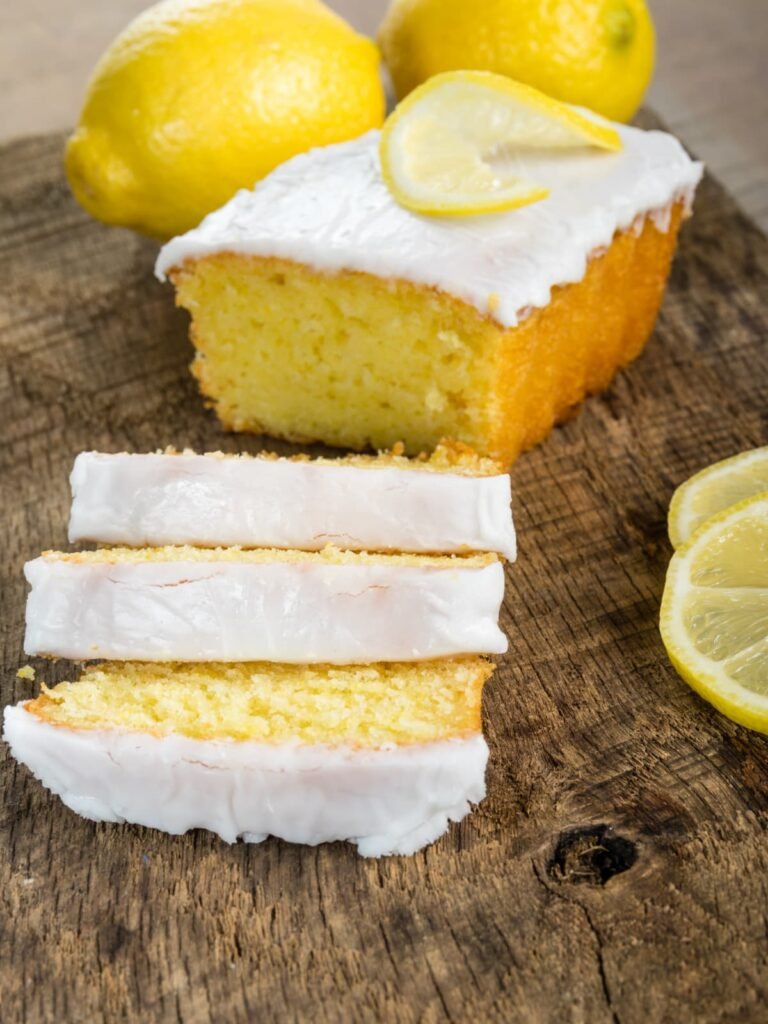
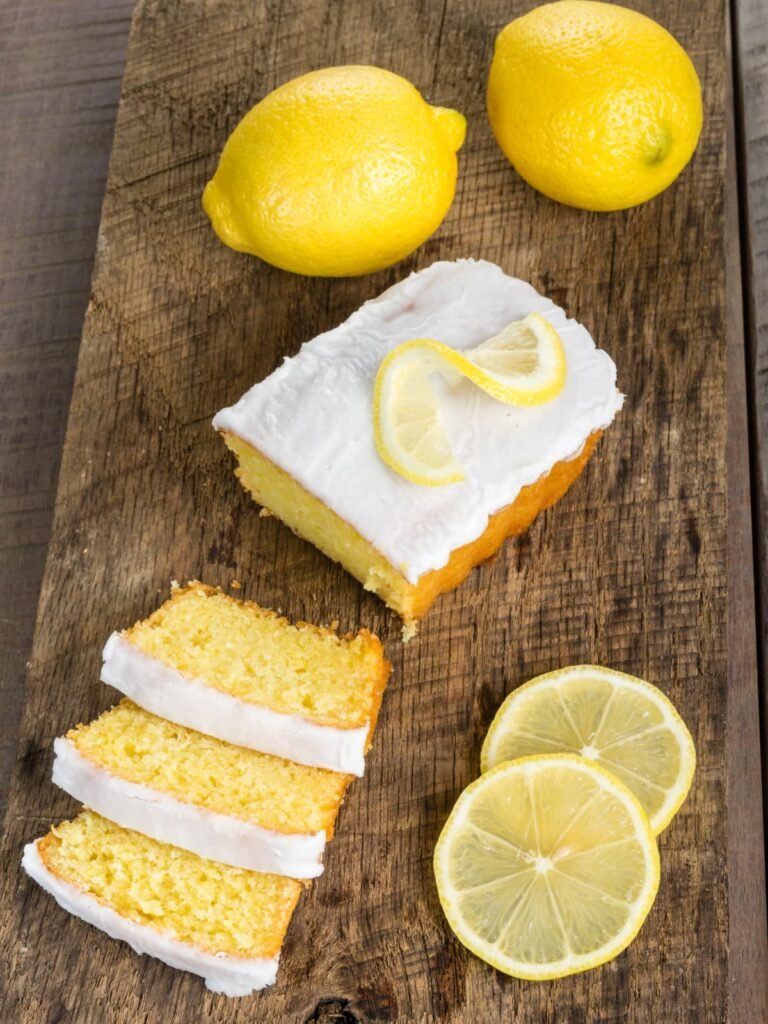
This incredibly moist and vibrant citrus cake recreates the beloved coffeehouse classic right in your own kitchen. Featuring a tender crumb infused with lemon zest, a tart soaking syrup, and a thick, sweet glaze, this loaf delivers a triple dose of lemon flavor. It is the perfect balance of sweet and tangy, offering a bright, sunny treat that rivals the original in both taste and texture.
Why You’ll Love This Recipe
- Triple Lemon Threat – By incorporating lemon into the batter, a soaking syrup, and the icing, this recipe guarantees a bold, zesty flavor profile in every bite.
- Superior Moisture – The use of buttermilk and a post-bake syrup soak ensures the cake remains exceptionally tender and never dries out.
- Cost-Effective Indulgence – You can bake an entire loaf for roughly the price of two slices at the coffee shop, saving money without sacrificing quality.
- No Artificial Aftertaste – Unlike some commercial baked goods, this homemade version uses real butter, fresh lemons, and vanilla for a clean, authentic taste.
- Freezer Friendly – This loaf freezes beautifully, allowing you to slice and store individual portions for a quick grab-and-go breakfast or snack.
- Simple Pantry Staples – Despite its gourmet taste, it requires only standard baking ingredients found in most kitchens, making it an easy weekend project.
Ingredients You’ll Need
The Cake Base
- All-Purpose Flour (1 ½ cups) – Provides the necessary structure for the loaf; be sure not to over-measure to keep the crumb light.
- Baking Powder (1 ½ tsp) – The leavening agent responsible for the cake’s lift and fluffy texture.
- Lemon Zest (1 Tbsp) – The outer peel contains the essential oils, delivering the most concentrated lemon aroma to the batter.
- Salt (½ tsp) – Balances the sugar and enhances the citrus notes.
- Unsalted Butter (½ cup, room temp) – Adds rich flavor and creates a tender crumb; room temperature is crucial for proper creaming.
- Granulated Sugar (1 cup) – Sweetens the cake and aids in browning and moisture retention.
- Eggs (2 large, room temp) – Provide structure and stability; using them at room temperature prevents the batter from curdling.
- Vanilla Extract (1 tsp) – Adds a background warmth that complements the bright lemon.
- Lemon Juice (2 Tbsp) – Adds acidity and liquid to the batter for a tangy kick.
- Buttermilk (½ cup) – The acidity in buttermilk tenderizes the gluten and adds a subtle tang, resulting in a softer cake.
The Lemon Syrup
- Lemon Juice (¼ cup) – Soaks into the warm cake to infuse moisture and tartness deep into the crumb.
- Powdered Sugar (3 Tbsp) – Dissolves easily into the juice to create a light glaze that isn’t grainy.
The Icing
- Powdered Sugar (1 cup, sifted) – The base of the icing; sifting is essential to avoid lumps in the final glaze.
- Lemon Juice (1 ½ Tbsp) – Thins the sugar while adding flavor.
- Milk (1 Tbsp) – Adds creaminess and opacity to the icing, giving it that classic white bakery look.
Step-by-Step Instructions
- Prep the Environment Preheat your oven to 350°F (177°C). Thoroughly grease a 5×9-inch loaf pan with butter or non-stick cooking spray to ensure the cake releases easily later.
- Mix Dry Ingredients In a medium mixing bowl, whisk together the all-purpose flour, baking powder, lemon zest, and salt. Whisking helps distribute the zest evenly so it doesn’t clump together. Set this mixture aside.
- Cream Butter and Sugar In a large bowl using an electric hand mixer or stand mixer, cream the room-temperature butter and granulated sugar together at medium-high speed. Beat for 4–6 minutes until the mixture is pale, fluffy, and aerated. Scrape down the sides of the bowl as needed.
- Add Wet Ingredients Add the eggs one at a time, beating well after each addition. Then, beat in the vanilla extract and the 2 tablespoons of lemon juice. Mix on medium-high speed until fully combined and smooth.
- Alternate Dry and Wet Reduce the mixer speed to low. Add one-third of the flour mixture and mix until almost combined. Pour in half of the buttermilk and mix. Repeat with another third of the flour, the remaining buttermilk, and end with the final third of the flour. Mix only until no streaks of dry flour remain—do not overmix.
- Bake the Loaf Pour the batter into the prepared loaf pan, smoothing the top with a spatula. Bake for 45–55 minutes. The cake is done when the top is golden brown and a toothpick inserted into the center comes out clean or with just a few moist crumbs.
- Apply the Syrup While the cake cools for 15 minutes in the pan, whisk together the syrup ingredients (lemon juice and powdered sugar). Carefully flip the cake out onto a wire cooling rack. While the cake is still warm, brush the syrup generously over the top and sides, allowing it to soak in. Let the cake cool completely.
- Glaze and Set Once the cake is fully cooled, whisk together the icing ingredients (powdered sugar, lemon juice, and milk) until thick and smooth. Pour the icing over the top of the loaf, letting it drip down the sides. Allow the glaze to set/harden before slicing.
Recipe Notes & Tips
- Zesting Tip – Zest your lemons before juicing them. It is nearly impossible to zest a squeezed lemon lemon. Also, avoid the white pith underneath the yellow skin, as it is bitter.
- Room Temperature Ingredients – Ensure your butter, eggs, and buttermilk are at room temperature. This creates an emulsion that traps air, resulting in a lighter, fluffier cake.
- Don’t Overmix – Once the flour is added, mix gently. Overworking the gluten will result in a tough, rubbery loaf rather than a tender cake.
- Icing Consistency – If the icing is too runny, add more powdered sugar (1 tablespoon at a time). If it is too thick to pour, add a drop more milk. It should move like slow lava.
- Pan Material – If using a dark metal pan, check the cake at 40 minutes as they conduct heat faster. Glass pans may require the full 55 minutes.
Nutritional Information
- Prep Time: 15 minutes
- Cooking Time: 55 minutes
- Total Time: 1 hour 10 minutes (plus cooling)
- Servings: 8 slices
- Calories: Approximately 387 kcal per serving
Perfect Pairings
- Hot Coffee – A dark roast or espresso balances the sweetness of the icing perfectly.
- Earl Grey Tea – The bergamot notes in the tea harmonize beautifully with the lemon flavor profile.
- Fresh Berries – Serve a slice with strawberries or blueberries for added freshness and color.
- Greek Yogurt – A dollop of unsweetened yogurt on the side adds creaminess and protein to balance the sugar.
Ideal Occasions
- Morning Coffee Break – A slice of this loaf turns a standard coffee break into a cafe experience.
- Brunch Spreads – Its bright flavor and yellow color make it a cheerful addition to any brunch table.
- Gift Giving – Wrap the loaf in parchment and twine; it travels well and stays moist, making it a perfect edible gift.
- Afternoon Tea – The citrus notes make it a classic choice for a tea party or light afternoon snack.
Storage & Serving Tips
- Room Temperature – Store the loaf in an airtight container at room temperature for up to 3 days. The syrup helps keep it moist.
- Refrigeration – You can refrigerate the loaf for up to 1 week, but allow it to come to room temperature before eating for the best texture and flavor release.
- Freezing – Slice the loaf and wrap individual slices tightly in plastic wrap, then place in a freezer bag. Freeze for up to 3 months. Thaw on the counter for 30 minutes.
- Serving – For a “fresh from the oven” taste, warm a slice in the microwave for 10 seconds (just be careful not to melt the icing completely).
Creative Variations to Try
- Lemon Poppy Seed – Add 1–2 tablespoons of poppy seeds to the batter with the dry ingredients for crunch and visual contrast.
- Lime or Orange – Swap the lemon zest and juice for lime or orange to create different citrus profiles.
- Berry Fold-In – Gently fold ½ cup of fresh or frozen blueberries (tossed in flour) into the batter before baking.
- Ginger Kick – Add ½ teaspoon of ground ginger to the flour mixture for a subtle spice that pairs well with lemon.
Troubleshooting Common Issues
- Cake Sank in the Middle – Solution: This usually means the cake was underbaked. Test with a toothpick, not just by eye. Also, avoid opening the oven door too frequently.
- Dense Texture – Solution: You likely overmixed the batter after adding the flour. Stop mixing as soon as the flour disappears.
- Icing Melted Off – Solution: The cake was too warm when you applied the icing. Patience is key; the cake must be completely cool to the touch.
- Dry Crumb – Solution: You may have over-baked it or measured the flour by scooping the cup into the bag (compacting it). Use the “spoon and level” method for flour.
Why This Recipe Works
This copycat recipe succeeds by replicating the specific textural elements of the commercial version while improving the ingredient quality. The “creaming method” (beating butter and sugar) creates a mechanical leavening that gives the cake lift. The addition of buttermilk is chemically significant; its acidity breaks down long gluten strands, resulting in a softer crumb, and reacts with the baking powder for a better rise. Finally, the “syrup soak” technique is a professional bakery trick—by brushing syrup onto a warm cake, the liquid is absorbed into the starch structure, locking in moisture and intensifying flavor without making the cake soggy.
Final Thoughts
This Starbucks Lemon Loaf copycat allows you to bring the coffee shop experience home with surprisingly little effort. It is a forgiving recipe that yields consistent, impressive results, delivering that signature bright yellow hue and tangy-sweet flavor profile everyone loves. While it is a sweet treat with nearly 400 calories per slice, the satisfaction of a homemade, preservative-free version makes it a worthwhile indulgence. Whether for a Sunday brunch or a mid-week pick-me-up, this loaf is sure to become a household favorite.