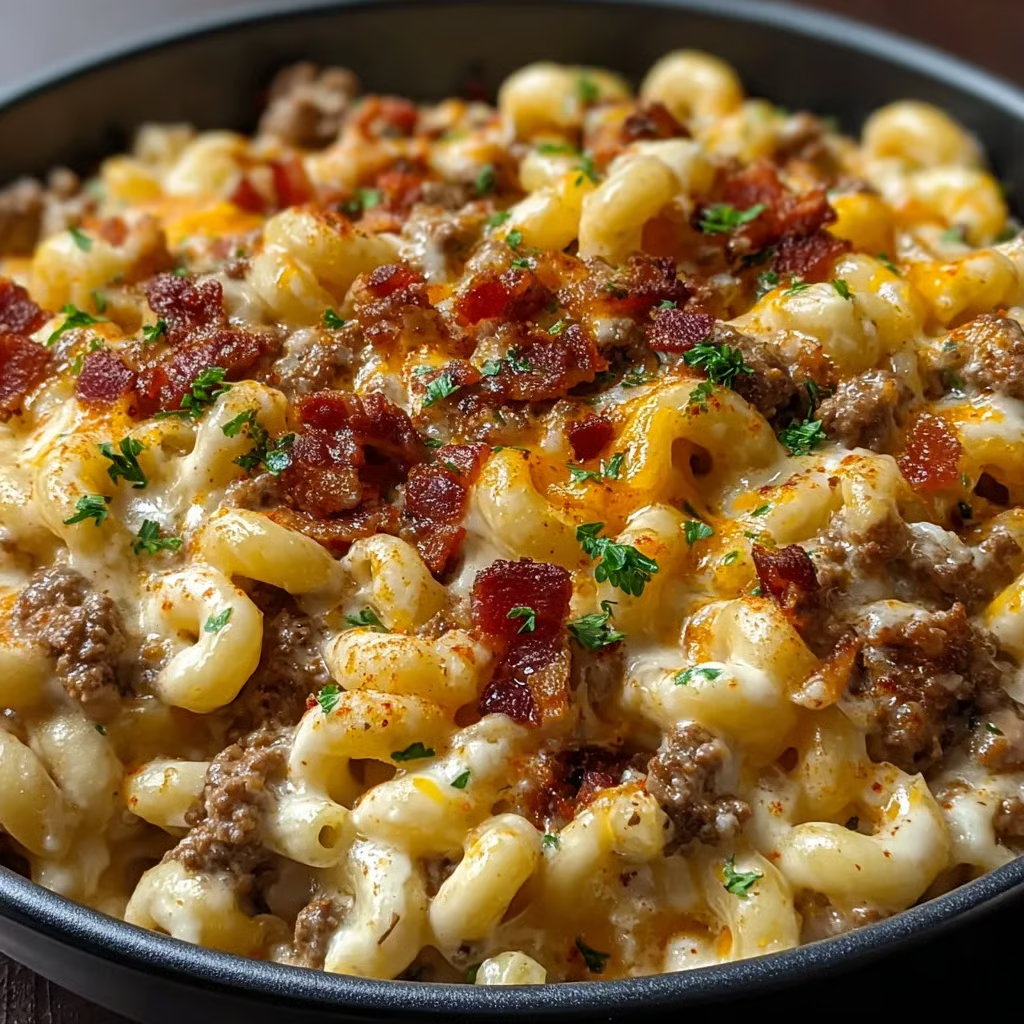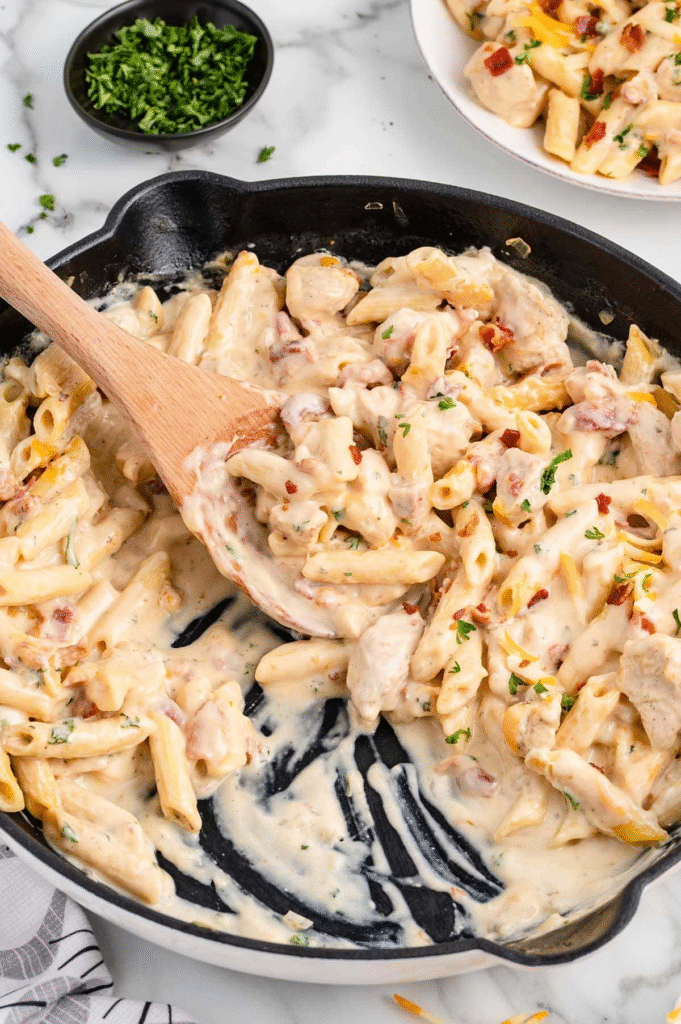

This unstuffed pepper skillet delivers all the beloved flavors of traditional stuffed peppers—seasoned ground beef, tender bell peppers, tomatoes, and rice topped with melted cheese—but eliminates the tedious hollowing, stuffing, and baking process by cooking everything together in a single skillet. The technique involves browning seasoned beef with peppers and onions, then simmering uncooked rice directly in the mixture with beef broth and tomatoes until tender, before finishing with generous amounts of melted cheddar cheese that ties everything together. With its complete one-pan preparation, 30-minute timeline, and crowd-pleasing flavors that appeal to both children and adults, this recipe transforms a time-consuming classic into practical weeknight dinner that requires minimal cleanup while maintaining all the comfort food satisfaction.
Why You’ll Love This Recipe
Stuffed Pepper Flavors Without the Fuss – All the classic taste and satisfaction of stuffed peppers without the time-consuming prep work of hollowing, stuffing, and baking individual pepper halves.
True One-Pan Efficiency – Everything cooks together in a single skillet from browning meat to cooking rice to melting cheese, meaning just one dish to wash afterward.
Rice Cooks in the Sauce – The rice absorbs flavors directly from the seasoned beef, tomatoes, and broth as it cooks, creating superior taste compared to cooking rice separately in plain water.
Weeknight Speed Champion – From start to finish in just 30 minutes of active cooking time makes this perfect for busy evenings when you want homemade comfort food quickly.
Kid-Friendly Appeal – The familiar flavors and cheesy topping appeal to children while the vegetables integrate seamlessly rather than being obviously “healthy” additions.
Flexible Serving Options – Works as a complete meal on its own or pairs beautifully with simple sides like salad or garlic bread for heartier appetites.
Ingredients You’ll Need
Main Ingredients
1 lb ground beef – Provides the protein foundation and savory, meaty flavor, with 80/20 or 85/15 lean-to-fat ratio offering the best balance of flavor and reasonable fat content.
¼ tsp each salt, pepper, and paprika – Seasons the beef directly during browning and contributes to building layers of flavor throughout the dish.
1½ tsp steak seasoning – Adds complex savory flavor with its blend of garlic, onion, and other spices that enhance the beef beyond what simple salt and pepper provide.
1 diced onion – Contributes aromatic sweetness and savory depth while adding moisture and texture that prevents the dish from being monotonous.
3 bell peppers, diced – Provides the signature stuffed pepper flavor and adds color, slight sweetness, and nutritional value with vitamin C and fiber.
2 tablespoons Worcestershire sauce – Delivers savory, umami-rich depth with complex fermented flavors that enhance the beef and tomatoes significantly.
1 tablespoon minced garlic – Adds pungent, aromatic flavor that’s essential to well-seasoned ground beef dishes and enhances all the other ingredients.
1 (15 oz) can diced tomatoes – Contributes tangy tomato flavor and moisture that helps cook the rice while providing the tomato element essential to stuffed peppers.
1½ cups beef broth – Forms the cooking liquid for the rice and adds savory depth that water alone cannot provide, creating more flavorful finished dish.
1 cup long grain white rice, uncooked – Supplies the starchy component that makes this a complete meal while absorbing all the flavorful liquids as it cooks.
2 cups shredded cheddar cheese – Provides the melted cheese topping that’s essential to stuffed peppers, with some mixed in and some on top for maximum cheesy goodness.
Step-by-Step Instructions
Brown the Beef and Vegetables Heat a large skillet over medium-high heat and add the ground beef, breaking it apart with a wooden spoon as it cooks. Sprinkle with the salt, pepper, paprika, and steak seasoning. Add the diced onion and diced bell peppers to the skillet and continue cooking for 8-10 minutes, stirring occasionally, until the beef is completely browned with no pink remaining and the peppers and onions have softened significantly.
Drain Excess Grease Once the beef is cooked through and the vegetables are tender, carefully tilt the skillet and spoon out any excess grease that has accumulated. Leaving a small amount is fine for flavor, but removing the majority prevents the dish from becoming greasy.
Add Liquids and Rice Stir in the diced tomatoes (with their juices), Worcestershire sauce, minced garlic, beef broth, and uncooked rice. Mix everything together thoroughly to ensure the rice is evenly distributed throughout the mixture and submerged in the liquid, which is essential for proper cooking.
Bring to Boil and Simmer Increase the heat to bring the mixture to a quick boil, stirring occasionally. Once it reaches a rolling boil, immediately reduce the heat to medium-low, cover the skillet tightly with a lid, and let it simmer undisturbed for about 20 minutes, or until the rice is tender and has absorbed most of the liquid.
Incorporate First Layer of Cheese After the rice is cooked to your liking and most of the liquid has been absorbed, remove the lid and stir in 1 cup of the shredded cheddar cheese. Mix it throughout the skillet until it begins to melt and integrate with the rice and beef mixture.
Add Final Cheese Topping Sprinkle the remaining 1 cup of shredded cheddar cheese evenly over the entire surface of the skillet. At this point, you can either replace the lid and let the residual heat melt the cheese over 2-3 minutes, or for a more golden, bubbly top, place the skillet under the broiler for 1-2 minutes, watching carefully to prevent burning.
Serve with Toppings Once the cheese has melted completely, remove the skillet from heat and let it rest for 2-3 minutes to allow the sauce to thicken slightly. Serve directly from the skillet, spooning generous portions into bowls or onto plates. Offer optional toppings like sour cream, hot sauce, chopped cilantro, or sliced green onions for customization.
Recipe Notes & Tips
Bell Pepper Variety – Use a combination of red, green, and yellow bell peppers for the most visually appealing dish and varied sweetness levels.
Rice Cooking Variations – If your rice isn’t tender after 20 minutes, add a splash more broth or water, cover, and continue cooking for 5 more minutes.
Skillet Size Matters – Use a large skillet (at least 12 inches) with a lid to accommodate all the ingredients comfortably and ensure even cooking.
Baking Alternative – As noted, you can transfer everything to a covered baking dish and bake at 375°F for 45 minutes for hands-off cooking.
Make-Ahead Strategy – Prepare through adding the rice and liquids, refrigerate, then reheat and finish cooking when ready to serve.
Leftover Excellence – This dish reheats beautifully and often tastes even better the next day after flavors have melded overnight.
Nutritional Information
Prep Time: 10 minutes
Cook Time: 30 minutes
Total Time: 40 minutes
Servings: 4 generous portions
Calories: Approximately 550-600 calories per serving (varies based on cheese amount)
Perfect Pairings
Simple Green Salad – A crisp salad with vinaigrette provides refreshing contrast and adds raw vegetables that balance the hearty, cooked main dish.
Garlic Bread – Warm, buttery garlic bread offers something to soak up the flavorful sauce while adding satisfying carbs and complementary flavors.
Steamed Broccoli – Simple steamed broccoli adds color and nutrition while its mild flavor doesn’t compete with the seasoned skillet meal.
Cornbread – Sweet, crumbly cornbread provides Southern-style accompaniment that complements the savory beef and peppers beautifully.
Ideal Occasions
Busy Weeknight Dinners – The 30-minute timeline and one-pan cleanup make this perfect for evenings when everyone’s hungry but time and energy are limited.
Family-Friendly Meals – The familiar flavors and cheesy appeal satisfy both children and adults, making family dinners easier when everyone eats the same thing.
Meal Prep Sessions – Make a double batch and portion into containers for easy lunches or dinners throughout the week that reheat perfectly.
Casual Gatherings – Serve this directly from the skillet for informal get-togethers where the homestyle presentation matches the comfortable, shareable nature.
Storage & Serving Tips
Refrigerator Storage – Store leftovers in an airtight container for up to 4 days, though the rice will continue absorbing moisture and become softer over time.
Reheating Method – Warm refrigerated portions in a skillet over medium-low heat with a splash of water or broth, or microwave individual servings for 2-3 minutes.
Freezing Instructions – Freeze cooled portions in freezer-safe containers for up to 3 months; thaw overnight in the refrigerator before reheating.
Freshness Tips – Add a squeeze of fresh lemon juice or splash of hot sauce when reheating to brighten the flavors and restore some of the original vibrancy.
Creative Variations to Try
Turkey or Chicken Version – Substitute ground turkey or chicken for a leaner option, adding a bit more oil to compensate for lower fat content.
Spicy Cajun Style – Add Cajun seasoning, diced jalapeños, and use pepper jack cheese instead of cheddar for Louisiana-inspired heat.
Italian Twist – Use Italian seasoning, add Italian sausage with or instead of beef, and top with mozzarella and Parmesan for different flavor direction.
Southwestern Variation – Add black beans, corn, cumin, and chili powder, topping with Mexican cheese blend and serving with cilantro and lime.
Troubleshooting Common Issues
Mushy Rice – Using too much liquid or cooking too long creates mushy rice; measure liquids precisely and check for doneness at 20 minutes.
Undercooked Rice – If rice remains hard after 20 minutes, add ¼ cup more liquid, cover, and continue cooking for 5-minute increments until tender.
Watery Consistency – Too much liquid or not enough cooking time leaves excess water; remove the lid and simmer uncovered for a few minutes to evaporate.
Burnt Bottom – Cooking at too high heat after reducing causes sticking and burning; ensure you truly reduce to medium-low and stir occasionally.
Why This Recipe Works
The success of unstuffed pepper skillet relies on understanding how to cook rice properly in a flavored liquid while building layers of flavor through strategic ingredient sequencing. Browning the ground beef first develops deep savory notes through the Maillard reaction while creating flavorful fond on the pan bottom that enriches everything cooked afterward. Cooking the peppers and onions with the beef allows them to soften while absorbing meat flavors and releasing their own moisture and sweetness into the mixture. Adding aromatics like Worcestershire sauce and garlic after browning the meat prevents them from burning while still allowing their flavors to permeate the dish. Cooking the rice directly in the seasoned beef mixture with broth and tomatoes allows it to absorb all those flavors as it hydrates and cooks, creating more flavorful rice than boiling separately in plain water would achieve. The 2:1 liquid-to-rice ratio (1½ cups broth plus liquid from tomatoes to 1 cup rice) provides proper hydration for tender rice without excess water that would make the dish soupy. Covering the skillet traps steam that cooks the rice evenly and prevents moisture loss that would leave rice crunchy. Mixing some cheese into the rice creates creamy pockets throughout while the topping creates visual appeal and that irresistible cheese pull. The moderate heat after the initial boil prevents scorching the bottom while still maintaining enough temperature to cook the rice properly. At approximately 550-600 calories per serving, this one-dish meal provides balanced nutrition with protein from beef, carbohydrates from rice, vegetables from peppers and onions, and dairy from cheese, making it genuinely satisfying without requiring additional heavy sides.
Final Thoughts
Unstuffed pepper skillet demonstrates how deconstructing classic recipes can maintain their essential appeal while making them more practical for modern cooking realities where time and cleanup capacity are limited. This recipe proves that “shortcut” versions don’t have to sacrifice flavor or satisfaction when you understand what makes the original special and preserve those elements while streamlining the process. The one-pan approach respects busy schedules and limited cleanup capacity while the familiar flavors ensure family acceptance and enjoyment. While this dish is hearty and substantial with its beef, rice, and cheese components, it includes vegetables and provides balanced macronutrients that create genuine satisfaction, and pairing it with a simple salad or vegetable side creates a complete meal that’s more balanced than the comfort food flavor might suggest.